
If you have spent any time on social media in the past few years, you've probably noticed a concerning trend.
by Robin Marshall
The steady rise in what is considered acceptable to say about other people has shifted.
Comments that once would have made someone a social outcast are now much more tolerated.
I'm sadly talking about the rise in racist rhetoric, playing out over social media.
The cause of this can be and is endlessly debated. Social platforms being less strict on moderation, shadowy, powerful figures pushing extremist views, a collective mass move away from being a more open and tolerant society, or simply a growing number of bots.
If you run, or are involved in any type of moderation of a social media channel, then I'm willing to bet you've noticed this happening. So how best to deal with it? This guide is here to help you.
Step 1 - Decide if it is worth responding to
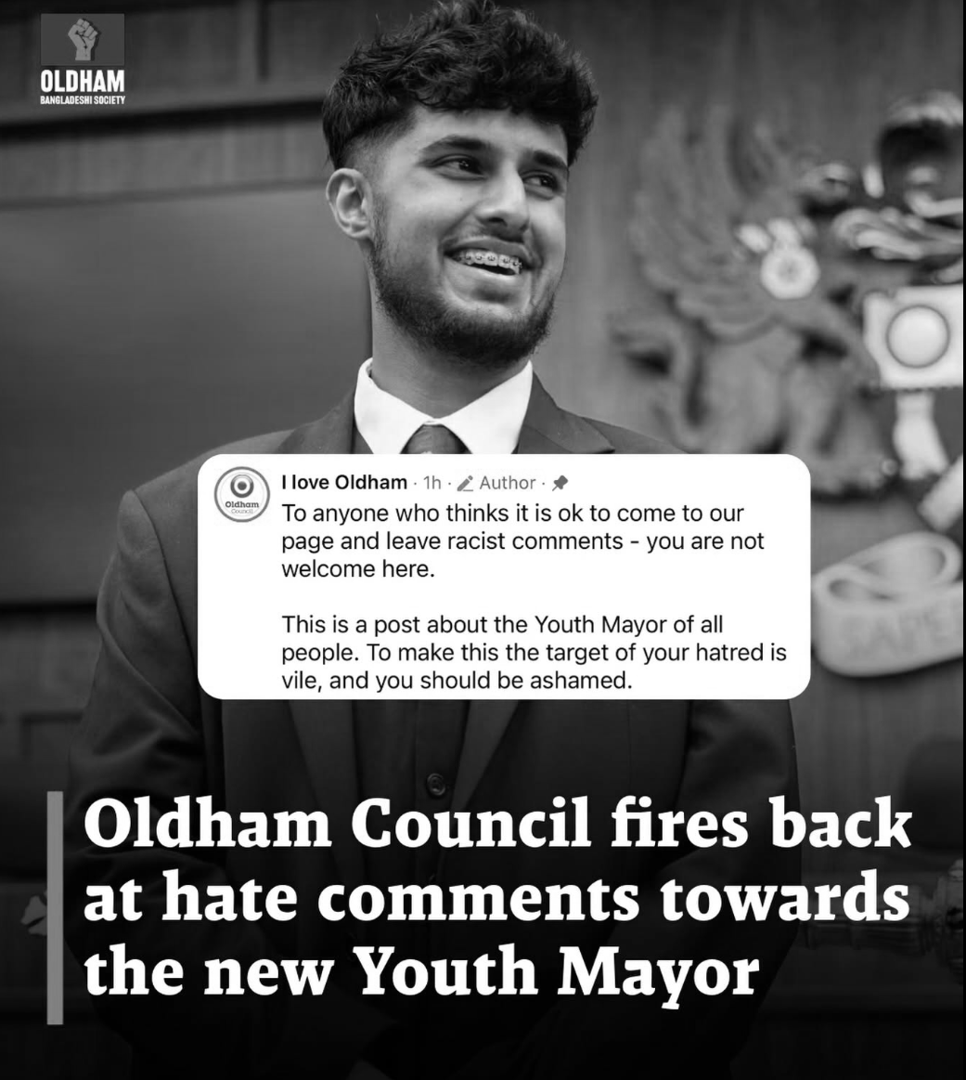
Recently, on the Oldham Council Facebook page, which I oversee as external communications lead for the council, one of our posts about a young man becoming Youth Mayor attracted a large amount of racist comments. It was a clear example of something that needed to be responded to immediately and strongly.
A young person, through no fault of their own, was getting harassed, and as a council it was our duty to protect him. I called out how unacceptable it was that some people thought they could write such hateful comments on our page. Clearly worth responding to, but specifically how can often be hard.
There are times where there might be one or two nasty comments on a post, which are more suited to deleting and blocking the person. In this case I didn't respond to anyone directly or call out any wording in particular, as it would have just given people the attention they wanted.
Here is where the first trap comes in - wanting to argue back. One response to my comment was someone asking me to define racism for them. Reader, if someone needs you to define racism for them, then they are not worth responding to.
Step 2 - Push back appropriately
Make it clear what you allow on the pages you manage and what the repercussions will be if those rules are broken. What are your or your organisation's values? If you have social media house rules, then refer to them; if you don't have any, then write some.
If you moderate a page, then it is your job to make sure it is a place that reflects your core ideals. If comments are getting out of hand, then don't be afraid to limit comments on a post and explain why. This can be daunting, not wanting to make an issue bigger than it already is, but I am sure you will find, as I have, that many people with you are willing to call out hate and support you in doing so.
Step 3 - Be consistent in your approach
Now you have set clear boundaries about what you expect; the main thing you need to do is be consistent. It can feel like a constant fight to keep social media pages civilised, but once a precedent is set you must stick to it. Slowly allowing hateful commentary on a page can have an eroding effect on who is willing to engage with you. Show people that hate will not be tolerated and you will be rewarded with a more vibrant and diverse community to engage with.
Fighting back against what feels like a more angry and hateful space online can feel endless and exhausting. The alternative is to give in and let hate win.
Keep fighting, but pick your battles.
Robin Marshall is senior external communications manager at Oldham Council. You can connect on LinkedIn here.
*Sign up for the comms2point0 eMag*
The comms2point0 eMag features exclusive new content, free give-aways, special offers, first dibs on new events and much, much more.
Sound good? Join over 4.3k other comms people who have subscribed. You can sign up to it right here
AND if you’re an in-house comms pro you can join the comms2point0 comms lifetime WhatsApp group here.

