
As the appetite for breaking news rages, as AI changes how we communicate and what channels we use, and in a world of instability and chaos, resonating with your audiences has never been more important.
I have been reflecting on when I delivered media training in Europe, in a different language via an interpreter, some things stuck with me.
by Dee Cowburn
No matter where you are in the world some things always stay the same. From a media training point of view that is.
Know your audiences
Who are you trying to reach and why? As that modifies your approach and your messaging. What medium do you reach them through and how will you resonate with them? If you are doing something really difficult, are you understanding how your audience feels before you even start communicating with them? If not, why not, and how do you think you’ll be able to reach them effectively if you can’t reach them where they are?
What are you trying to say and why
What are your key messages? Why are they your key messages? And why does what you say matter? Why should people listen? Understanding your purpose and why helps you influence those the message is designed to influence. Resonating with your audience is vital, because if you don’t understand what they need, or how to communicate with them, they are already lost. And you can only convey those key messages with conviction if you believe in them and understand why they are there.
What environment are you operating in
This is so important. What are the potential threats that might seem far away but could really impact what you are trying to do. Horizon scanning and including this within media training and communications plans is really important because context is crucial. You might think something you are talking about in isolation is fine, but is it? Could it be perceived as insensitive? Or ignorant? Or cold? Do you need to say it anyway? Are you prepared for criticism and can you mitigate it?
What curveballs could come into the mix
This relates back to the horizon scanning and environment you are operating in. You have to be prepared for the curveballs that could throw you, and any journalist who knows their stuff will have a clear overview of everything in the public interest. So you might want to promote A but they will want to get your view on B even if you don’t want to give it. Be prepared for that. That is why my Substack https://substack.com/@deecowburn called Just One More Thing. Because any self respecting journalist leaves their tough questions to last, I know I did!
Why are you qualified to deliver the training
This is a legitimate question. In my case, as former Head of Comms for Policing and Crime to the Mayor of West Yorkshire, and Police and Crime Commissioner, we had challenging queries most weeks ranging from knife crime, organised crime, right to protest, prisons overcrowding, anti-social behaviour, among many other things. I had to deal with tricky press queries and brief senior leaders sometimes with minutes to spare. You have to keep it brief, to the point, and reassure while stressing to them, get your messages across and be prepared for tough questions. Above all be human. And honest and authentic and transparent. And if you can’t be, why not? Because the public will see through masks.
What unique challenges do the people your training is for face
What sets the sector apart? And why? Can the people you are training see how vital that is to understand the unique challenges and convey them? My background is in policing and crime and investigative journalism and I know that public reassurance and confidence in policing is vital and an underlying principle for any media interaction. We police by consent in the UK and retaining that trust with the public is so important. What sets your sector apart and why? That is the thread that runs through all media training, because you have to demonstrate that again and again.
You are supporting communications officers or senior leaders or organisations to tell their story better, or reach their audiences, or condense complicated information into clear concise key messages, or creating briefings for senior leaders, or testing people’s abilities to stay calm under media scrutiny and in challenging interviews. But the fundamentals are the same.
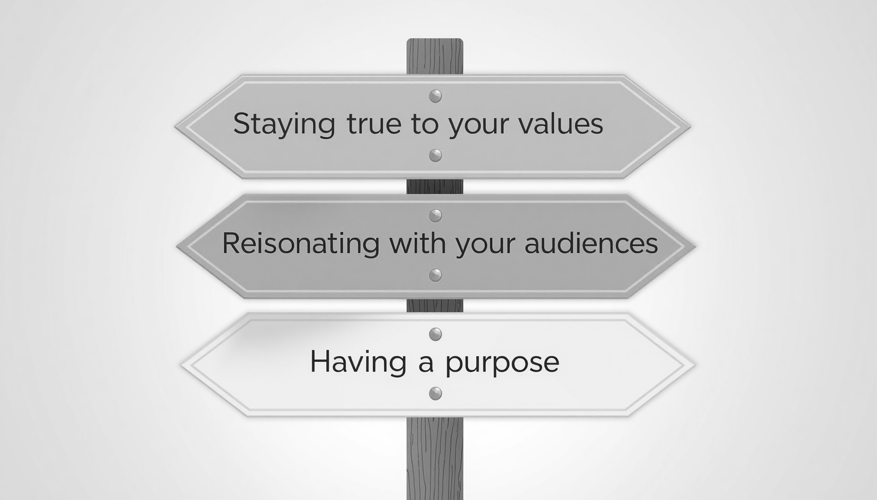
Staying true to your values, resonating with your audiences, and having a purpose. Get those right and the rest follows.
Dee Cowburn is owner of Dee Cowburn Communications Ltd, a media and crisis communications consultancy. You can say hello on LinkedIn here.
*Sign up for the comms2point0 eMag*
The comms2point0 eMag features exclusive new content, free give-aways, special offers, first dibs on new events and much, much more.
Sound good? Join over 4.2k other comms people who have subscribed. You can sign up to it right here
AND you can join the comms2point0 comms lifetime WhatsApp group here.
image via Canva AI

