
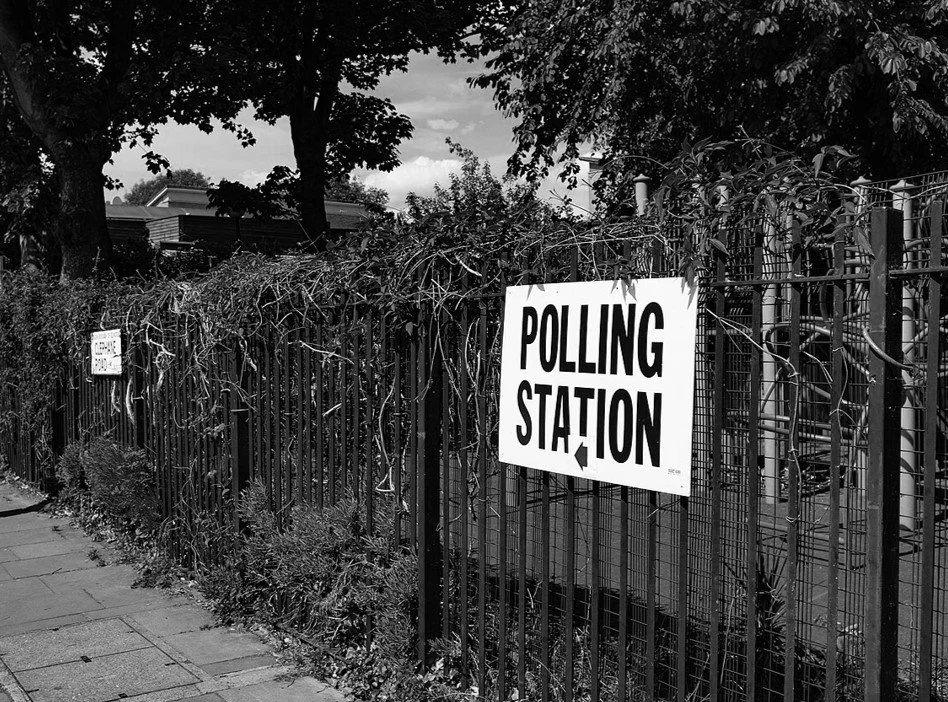
Elections are just round the corner, I’ve covered a few in my time - council, generals, Europeans, and PCC. The best ones for you, the comms team, and the elections team are the ones where you put some planning in first. Below are some tips for working an election – before, during and after.
by Louisa Dean
Before
Forward plan – We normally know when elections are going to be held, so speak to your returning officer and elections team to make sure you are on the project team. It is important that your requirements (power sockets, wifi, tv screens and most importantly for me, coffee!) are on the list when they start sorting the room layout. You also have time to work with the returning officer and the elections team to understand how the night or maybe morning is likely to evolve. It is really helpful to have a good working relationship with them so you know what they are doing and when, and when things are likely to be announced. This relationship can really benefit everyone and if you all understand each other, it helps when you might have to make changes or you have those unusual requests come in. Also speak to your local media. If there is limited room, they will need to be on the accreditation list, and you want your key media contacts in the room.
Branding – I think most of us have this sorted as I am an absolute geek for looking at election branding at count venues. You want to make sure that whoever is announcing your election results has a backdrop behind them and it is not the plain leisure centre wall. I prefer a backdrop with your logo on it but for local elections, it also works to have some pictures of the place as well. For our count in Reading this year, we have three banners – one with the logo and two either side of the place.
You do need to consider what media will be at your count and if the results will be pinged onto the national news. For one of the general elections I covered, I printed our logo on repeat on a massive banner so every time the media showed a shot from my count – our council logo was in the background. The picture of the place wouldn’t have worked in that situation as the tight camera angle would probably have shown an area that no-one would have been able to recognise while the returning officer declared the result.
Your team – Most comms people love elections, well I do. For some council elections, you could be managing a few seats to the whole council. In some circumstances, that can be held across two rooms, but either way, there will be a lot of candidates and agents to navigate on the night. Back to the forward planning. See if you can get pictures of all the candidates so you know who is who in the room. Talk to your team about what you want to achieve on the night and how you might get that, are you taking photos of the first ballot box, all the candidates, just the winning candidates, the returning officer announcing the results? And then consider how you are uploading the results onto social media and what that looks like, how are you accessing the website and do you need to inform any media. If you put the planning into this, it can remove the stress on the night.
During
Day of the count – Election Day is a long day. You don’t and shouldn’t have to work a normal day and then attend the count. Try to plan your day out, get some rest and then you are alert enough to make decisions, if needed, at the count. And remember to eat and drink, you often fall into the trap of just ploughing on and eating all the sugary treats on election night which is fun but not good at 4am! Try to get some proper food and drink at some point during the day.
Be flexible – Most of us will have a smaller number of media covering the election results, unless we have high profile candidates, likely ‘shock’ results or potentially high-profile MPs attending. You need to make sure you adapt to the situation which may be happening in front of you. Being flexible will help both you and the media. Remember to keep the returning officer informed of any key changes so they are aware of what is happening.
Be proactive - Do remember to chat to the media at the count. Nowadays, we don’t tend to see many journos at meetings as they join online, so it is a real opportunity to chat to reporters, build relationships and help with their questions. For some, they may not have attended a count so they will be relying on you to help them with information about the turnout, voting figures, results and pointing them to the winning councillors.
Introduce yourself – A good first impression starts from the moment you met someone and for a newly elected councillor, it will be on the night, in the count venue. Do go up to them and introduce yourself. First impressions make a real difference.
After
Inductions – There will be an induction process for newly elected councillors and it is important to get communications into that programme. There can often be a perception about what the comms team do or don’t do. The first meeting is the opportunity to set out the communications activity, whether that is your comms plan linked to the Council Plan, or your media protocols or general advice about social media.
Internal communications – With any election, you should be updating staff about the results so they are aware of any changes and what the next steps are in terms of annual council and lead members. If you have a result that changes the control of your council, you may want to think about how you share that message with your workforce, is an all staff email the right way, do you need an all staff briefing, do you put out a one pager for staff that they can use if your residents ask them questions.
Forward planning is key in our job, and I hope these tips help in the run-up to the elections.
There are some other resources that can help as well – the Local Government Association website Home | Local Government Association has loads of advice and guidance including a pre-election period guide and advice on social media during the media Pre-election period | Local Government Association. There is also some guidance designed to support councils in provide advice to members when working alongside communications teams - Model guidance for councils: elected members’ use of social media | Local Government Association
There is also a free webinar this week – It is run by Alex Waddington, who blends data with 20 years’ experience in communications. He will be joined by Georgia Turner, former local authority Director of Communications, who will give some practical insight on change in local government. [Data Bites for Comms Pros] What will changes in council control mean for communicators? by Alex Waddington on cademy.io takes place on Thursday 30 April from 1pm – 2pm.
Louisa Dean is Head of Communications and Marketing at Reading Borough Council.
*Sign up for the comms2point0 eMag*
The comms2point0 eMag features exclusive new content, free give-aways, special offers, first dibs on new events and much, much more.
Sound good? Join over 4.2k other comms people who have subscribed. You can sign up to it right here
AND you can join the comms2point0 comms lifetime WhatsApp group here.


