In business we only get one chance to impress and we're nothing without a decent reputation. We all forget this at our peril.
By PANEL WRITER Marcus Grodentz
Read more
Your Custom Text Here

In business we only get one chance to impress and we're nothing without a decent reputation. We all forget this at our peril.
By PANEL WRITER Marcus Grodentz
Read more
Finding the time to innovate and try new things: That magic 10% - it can be the difference between the ordinary and the great.
By Ben Tysoe
Read more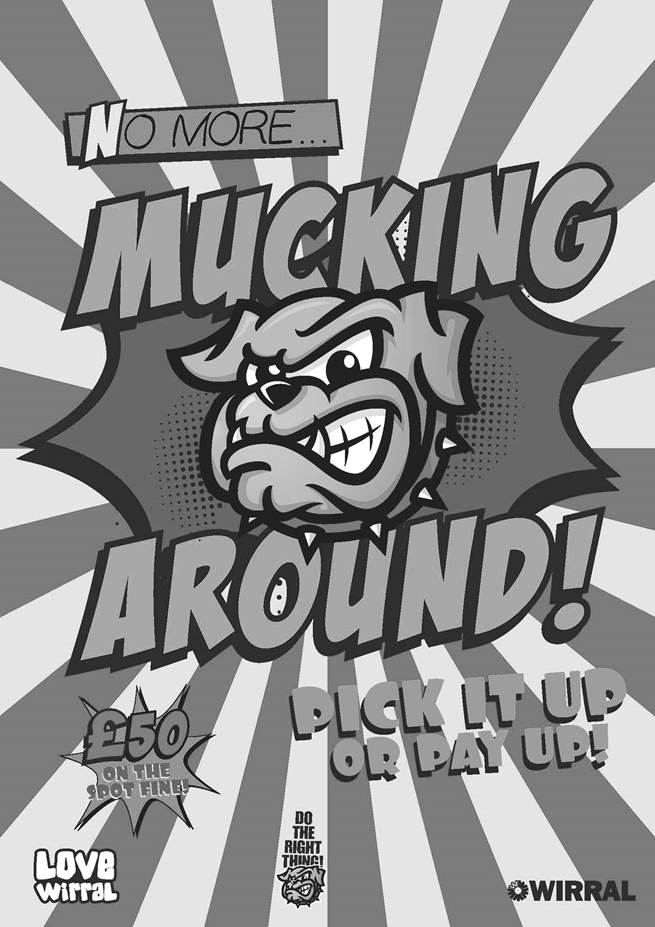
If you’ve worked in local government communications for long enough you’ve probably been asked for help in preventing dog fouling at some point. Yes, some dog owners still allow it. Here’s how one council approached it and what they learned along the way.
By Gill Gwatkin
Read more
WhatsApp now has over 990 million registered users. It’s free to use and has lots of potential uses for communicators. Here’s a great example of how the app was used in a recent emergency situation.
by Alan Ferguson and Mark Conway
Read more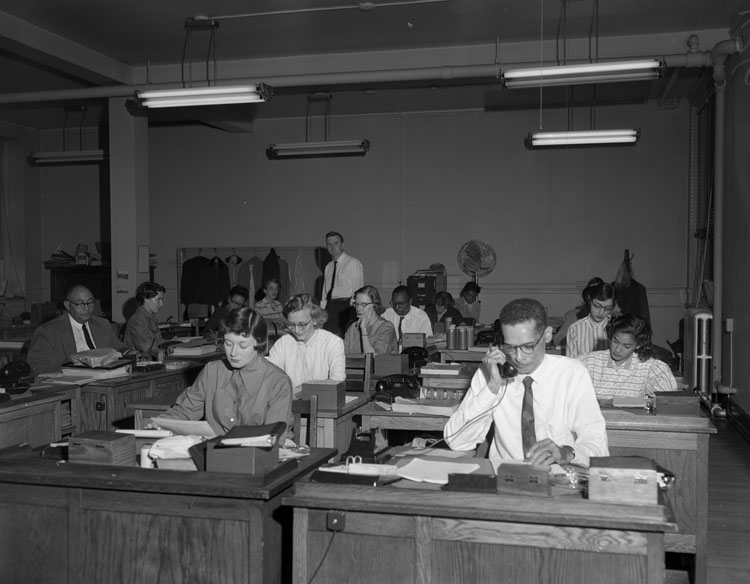
An anonymous post a while back caused a huge response and struck a chord with many people. What happens when low level sniping starts getting more sinister? In this post the NUJ's PR section offer advice.
by Phil Morcom
Read more
Video is becoming increasingly used by people to consume media. Blame the smartphone which makes it easy to shoot and watch video. But are people watching content from their council? In Birmingham, yes they are.
by Geoff Coleman
Read more
How does it feel to make a switch from one sector to another? With turbulence and austerity many are doing it. It can be done. This is one comms manager's story.
by Theresa Knight
Read more
Why do women leave PR and never return? Here's what one female comms professional thinks.
by Liz Bridgen
Read more
It's the 'big idea' of British domestic politics and it seems everyone is talking about it - but what do communicators need to know about devolution? Will Mapplebeck, strategic communications manager at Core Cities UK, gives some context and looks at where the agenda might go next.
By PANEL WRITER Will Mapplebeck
Read more
Working in comms and pr requires incredibly sound judgement on when to speak out, and when to keep a lid on personal views. Here’s a great example on why keeping quiet is sometimes the best policy.
by PANEL WRITER Marcus Grodentz
Read more
Euro 2016 kicks-off this week, 20-years on since the glorious summer of ‘96 when England hosted a major football tournament for the first time since 1966. One person’s career was about to be catapulted on to a rapid and steep learning curve.
By Darren Caveney

In the Brownhills area of Walsall in the West Midlands 13,000 people live. As traditional media recedes an anonymous blog written by someone who cares about his community now gets up to 75,000 page views a month.
by Brownhills Bob
Read more
Intranets. You need them. But often they are not very good. But how do you make them better?
by Chris Tubb
Read more
Can PR people have ethics? Can you do the job without them for long? During any career you could be asked to bend the truth, look the other way or plain old lie. So what do you do? The National Union of Journalists - who have a thriving PR section - have some thoughts.
by Phil Morcom
Mixing with journalists who work in print and broadcast, the notion that there not only needs to be ethical PR, but that professional PRs commit to it, can sometimes take them aback. Ethical journalism is that pot of gold under the rainbow where journalism exposes wrongs and uncovers misdeeds, unfettered by commercial imperative or proprietorial influence.
We are lucky in the UK. We have very many excellent journalists, some excellent media and a tradition that can belie oft-repeated the quote:
You cannot hope
to bribe or twist,
thank God! the
British journalist.
But seeing what
the man will do
unbribed, there's
no occasion to.
HUMBERT WOLFE, The Uncelestial City
There's a whole array of excellent non-mainstream publications and channels where people are digging around to seek the truth. Mainstream media do their bit too, and the campaigns as varied as the Daily Mail's pursuit of the truth about the killing of Stephen Lawrence and the hacking enquiry come to quickly to mind. With Hillsborough fresh in the mind and Orgreave now under scrutiny, the role of PR professionals is thrown into focus.
The recent declarations by Hayley Court of how she was expected to behave throws a sharp focus on the pressure felt by some in PR as they try to do their job. As my NUJ colleague Sian Jones says: “Media workers should never feel under undue pressure to push a line they feel uncomfortable with and if their employer insists the union is here to represent them.”
What is unethical PR? Like many concepts, you can get lost in the devil of the detail trying to define it, but most of us know it when we see it. There's certainly good advice from the NUJ, CIPR and PRCA, among other organisations. Looking at a few of the courses on offer from universities, the role of ethics doesn't feature as highly as it might as a topic, but academics I know certainly take it very seriously.
At the NUJ we have had plenty of experience helping members stand up for their professional integrity. We've expertise dealing with health sector comms teams expected to cover up for incompetence or poor judgement. We've helped members employed in the criminal justice system to ensure they are not manipulated into unethical and potentially dangerous attempts to mislead. We have helped workers at the end of their tether dealing with unreasonable employers seeking to force them to do things which their professional PR judgement knows to be not only unethical, but also plain bad PR.
That's why the NUJ's Public Relations and Communications Council are running a session on ethical PR at their June meeting in Leeds. We are inviting local PR professionals and journalists to come and share good practice and discuss some of the problems we face and how best to deal with them. If you're interested in joining in, or having the NUJ run a similar event in your area, please let us know.
None of it is easy. Standing up for yourself can be hard, particularly as many in PR work in an isolated way and there is always a fear that redundancy or bullying could result from a failure to submit to unreasonable requests. For some reason the judgement and advice of PR professionals is sometimes not given the same credence or value as that of other professionals - lawyers, accountants, engineers or whatever. But fail to protect your own reputation for behaving ethically and professionally and you run the risk of much longer term lack of credibility.
Having a union behind you and having membership of a professional body can make doing the right thing that bit easier.
Phil Morcom is NUJ PRCC Chair.
Picture credit: Florida Memory / Flickr

It can be hard to recruit and be recruited. So why do we let the opaque language of HR and personal statements get in the way?
by Louise Powney
Read more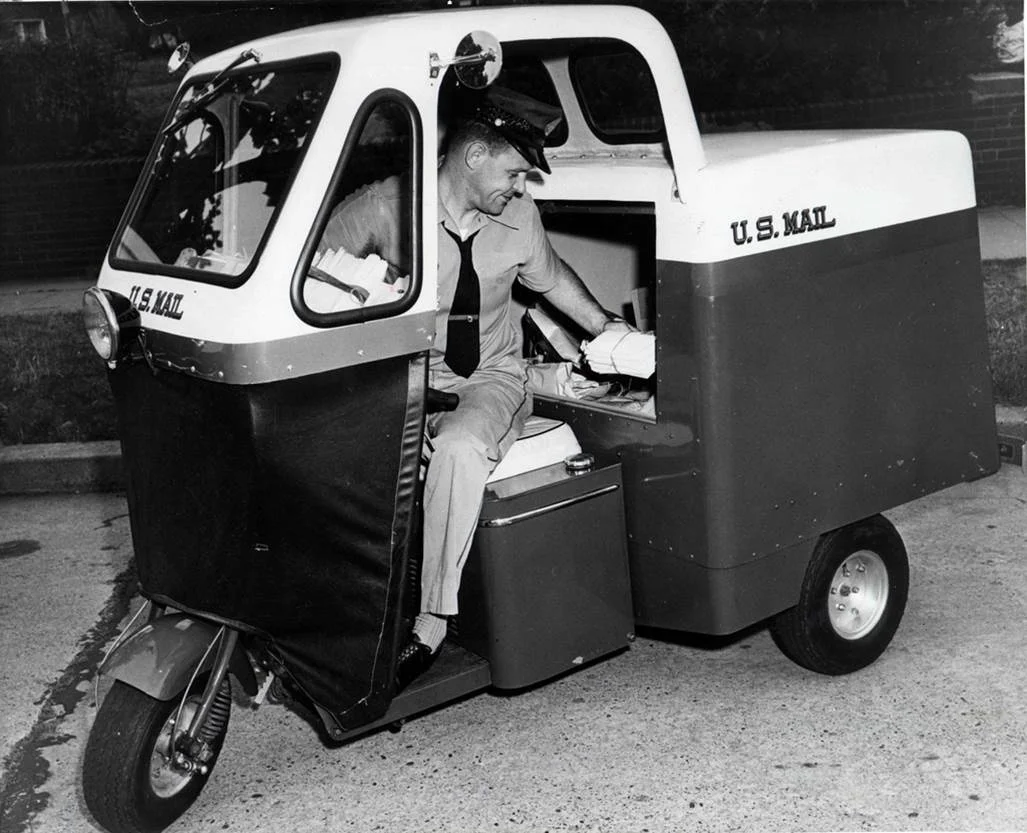
With over 1 billion active users, a 70% open rate and 30 billion messages being sent daily, worldwide. Ask yourself… why are we not using the app in our local authority?
by Nafisa Ali Shafiq
Read more
Working in the communications industry can be stressful. You might not spot it at the time but it can creep up and bite any of us if we’re not careful. How we manage this, and what we plan with our future careers, is going to be tackled in a series of posts by a new Panel Writer for comms2point0. Here’s the first post…
by Panel Writer Marcus Grodentz
Read more
Does your organisation only get two of three key steps right when creating and delivering a new piece of communications? Read on…
by Ben Capper
Read more
As the Brexit referendum hots up here's the thoughts of one comms person on what they learned living through Scotland's independence referendum - #indyref.
by an Anymous Communications Officer in Scotland
Read more
There's no denying the rise of Snapchat. Teenagers love it. Their parents don't get it. But what is it, actually? And how does it work? We asked a comms person with a Snapchat-loving daughter.
by Carolyne Mitchell
Read more
Quisque iaculis facilisis lacinia. Mauris euismod pellentesque tellus sit amet mollis.